

Engineering Rubber Machinery Solutions Since 1975
From compounding to finished products, PAXTON supplies and integrates reliable equipment for rubber, tire, EVA and related manufacturing processes.
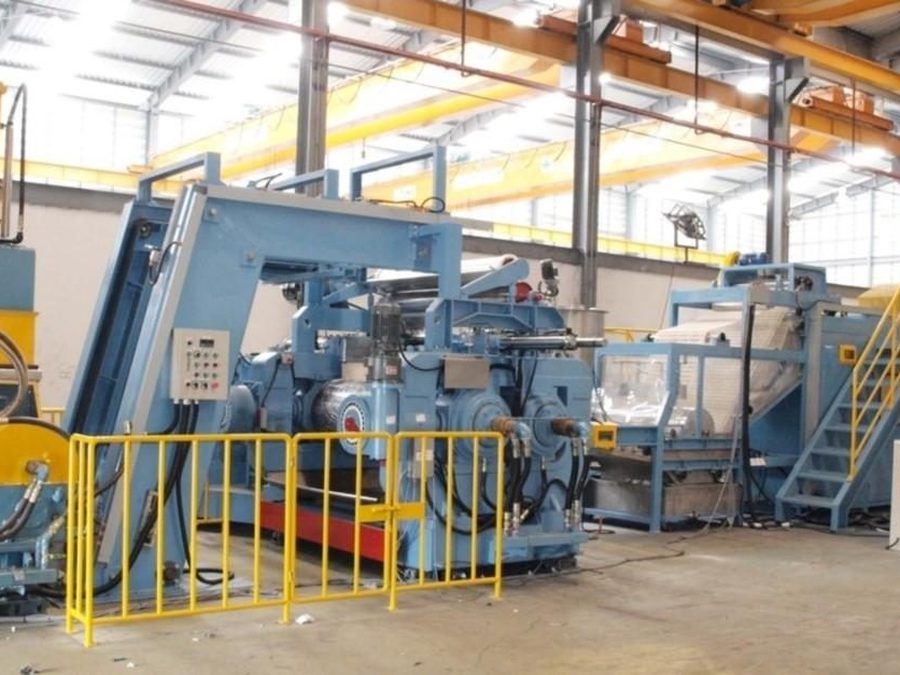
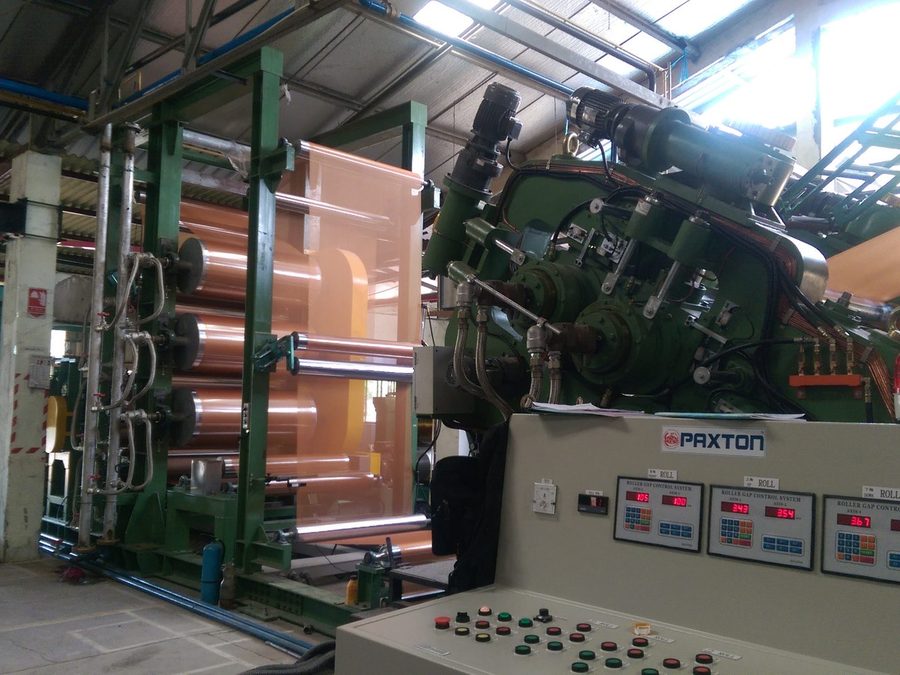
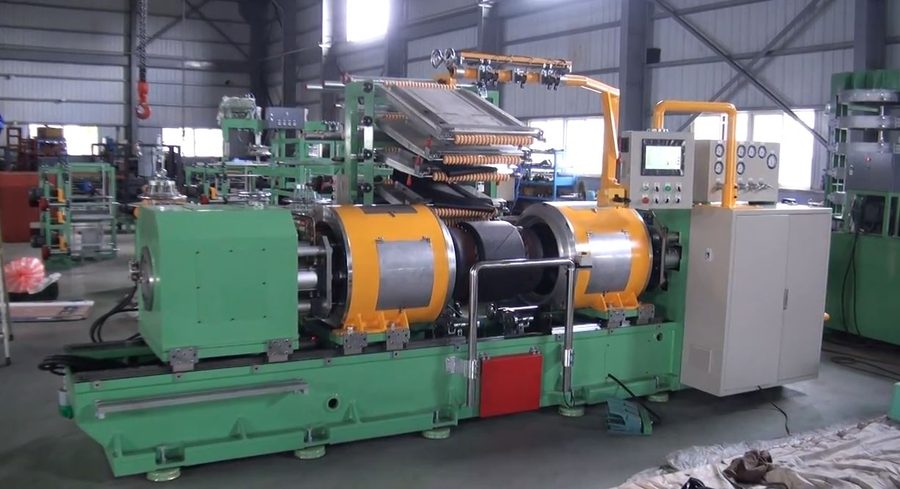
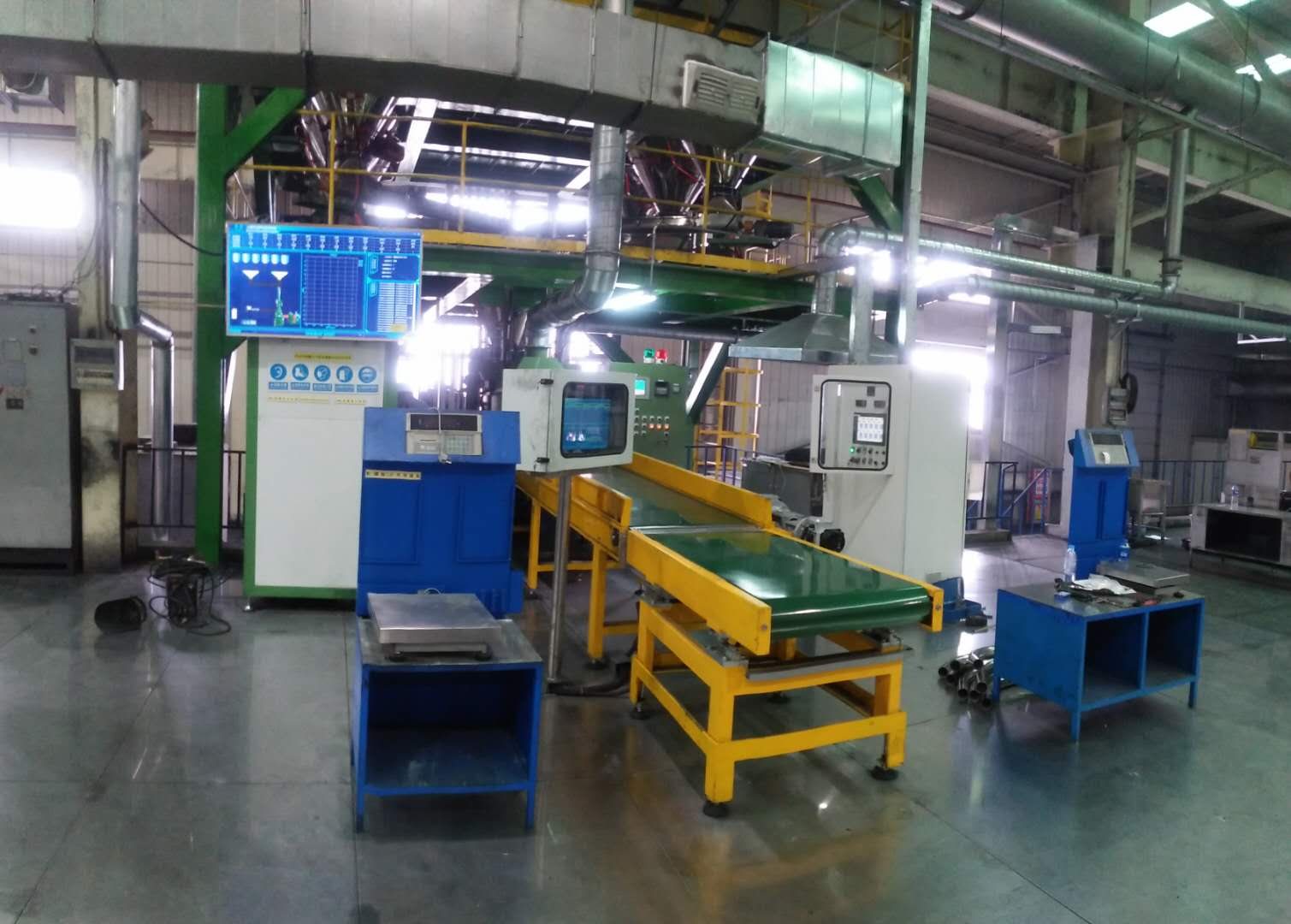
Equipment, process and production support in one project path.
PAXTON coordinates machinery, material handling, process requirements and technical support around the production line rather than treating each machine as an isolated purchase.
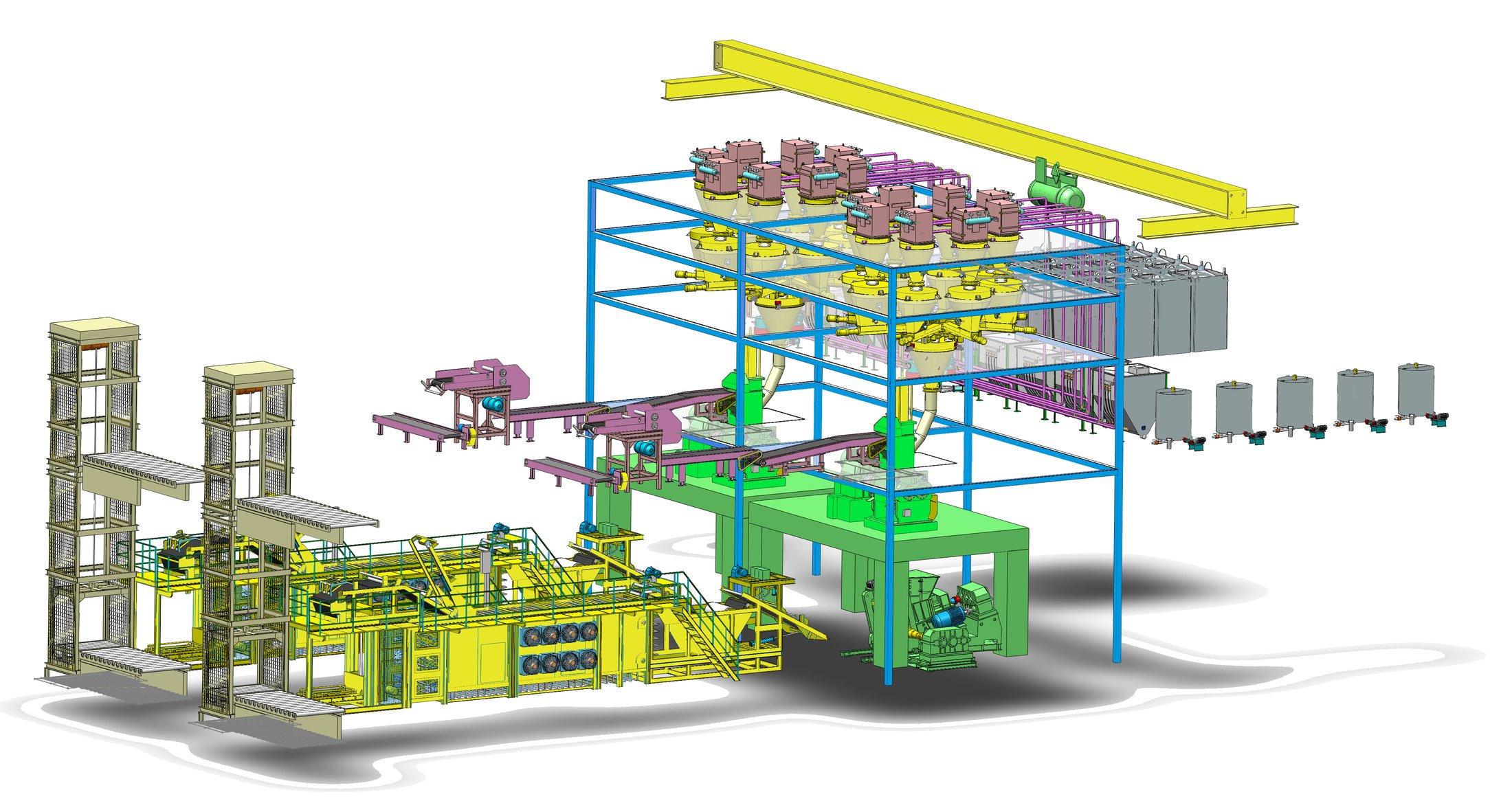
From planning to production.
Start with the process requirement, then define equipment scope, integration, commissioning and ongoing support.
Industry Brief
Selected signals for rubber, tire, EVA and PVC manufacturing.
Source: Pirelli · Prior publication02MES Platform Adds Governed AI Agents for Factory Operations
Source: Critical Manufacturing · Prior publication03Siemens and HighByte Contextualize Plant Data for Industrial AI
Source: Siemens · Prior publication
Recent investment and software moves point to a dual priority: expanding high-value tire capacity while making plant data operationally usable. Equipment projects will increasingly require modular automation, stronger traceability, and clean PLC-to-MES data flows, giving buyers more reason to evaluate line integration alongside individual machine performance.
Planning a new line or upgrading an existing process?
Share your capacity, material and process requirements with our engineering team.